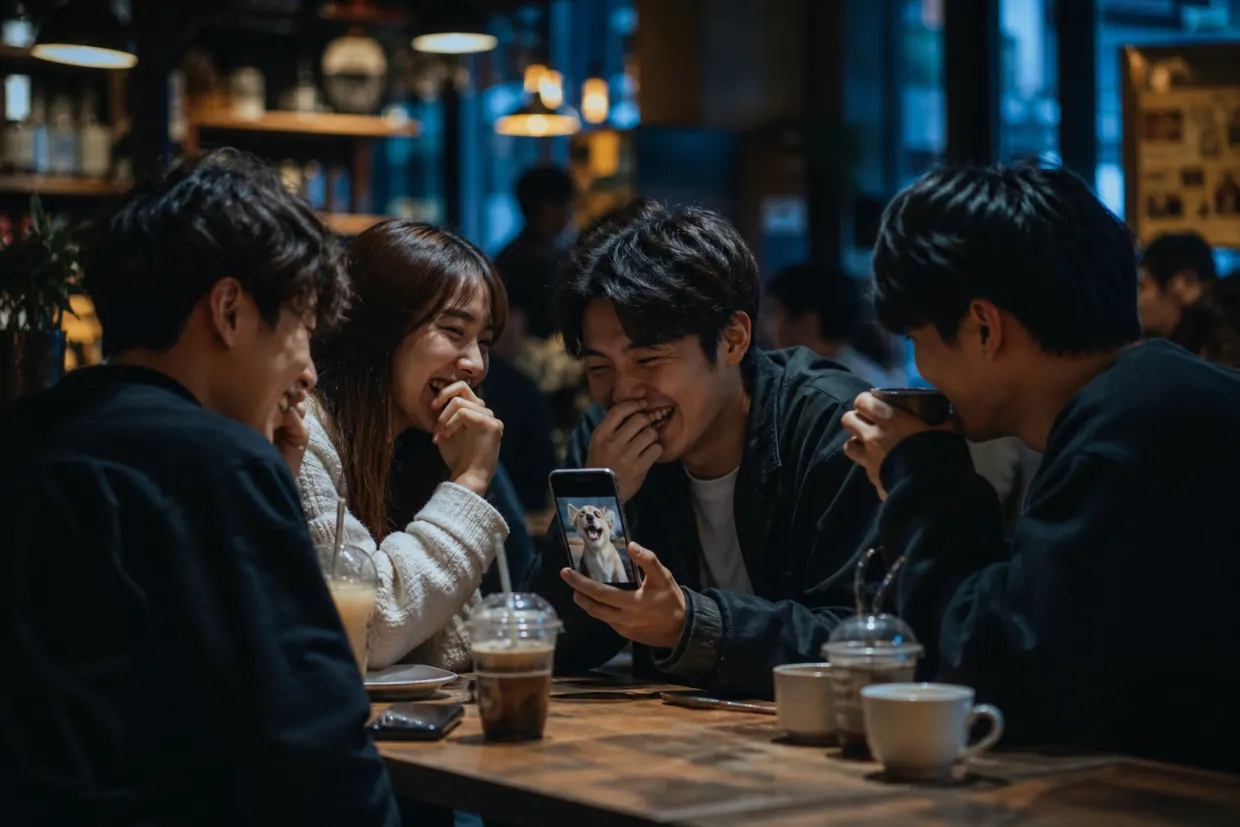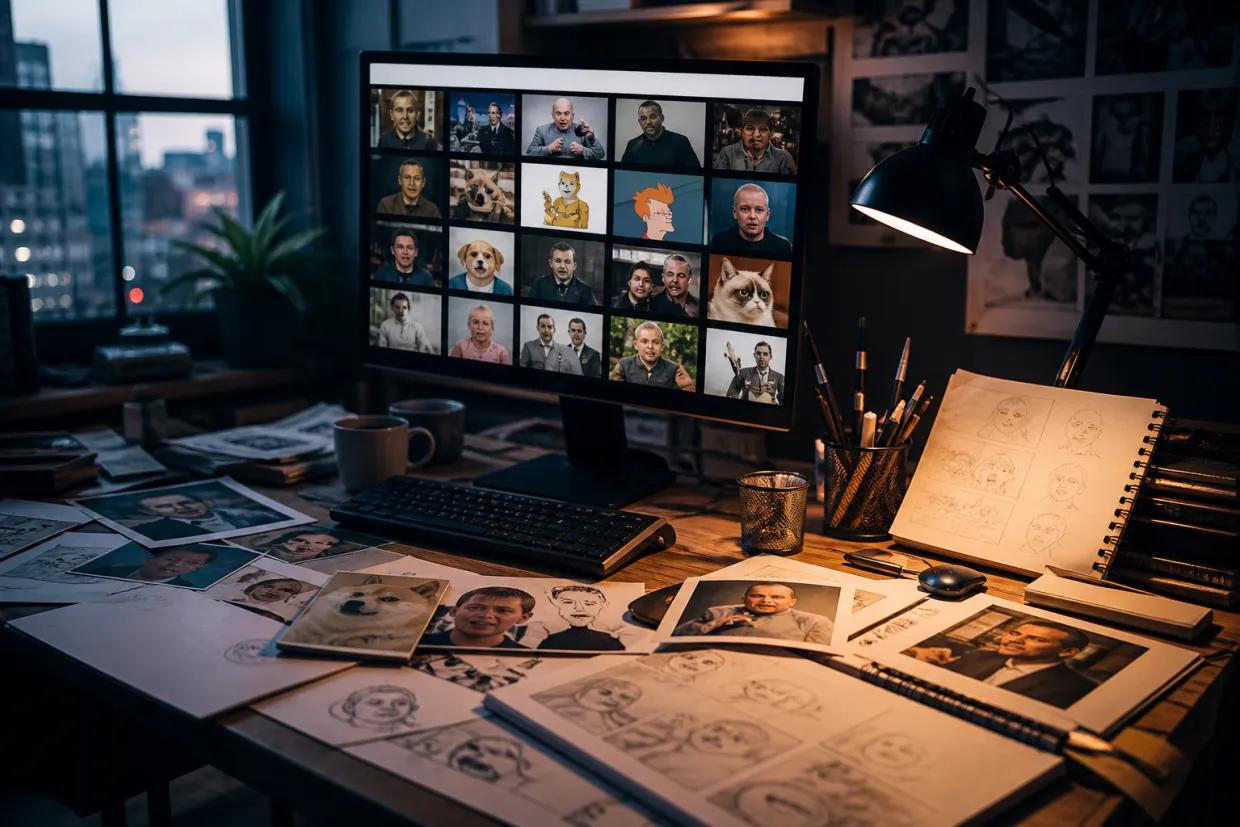
Creating hilarious memes requires combining ironic communication styles with high-contrast typography and tight visual cropping around key expressions. Digital communication research demonstrates that self-defeating and ironic humor drive content virality effectively[1]. Standard typography guidelines recommend using bold all-caps text featuring a black stroke outline for legibility[2]. Creators should align focal points using the rule of thirds instead of utilizing cluttered backgrounds[2].
Anatomy of a Hilarious Meme: Core Terminology
Understanding the core terminology related to memes is essential for creating engaging content. Key terms include "image macro," "punchline," "impact font," and "top text/bottom text."
An image macro refers to an image overlaid with text, typically formatted to convey a humorous message. This format often consists of a relatable image combined with captions that enhance the humor, making it easily shareable across social media platforms. The effectiveness of image macros is supported by the fact that daily global meme creation has surged to an estimated 7 to 8 million creations per day, indicating a growing interest in this format[3].
The punchline is the humorous part of the meme that delivers the intended joke. It is crucial for eliciting laughter and can often subvert expectations, making it relatable to viewers. Research indicates that self-defeating and ironic styles of humor are particularly effective in driving virality[1].
Impact font is a specific typeface commonly used in memes, known for its bold, high-contrast appearance. This font enhances legibility and draws attention to the text, which is vital for effective communication in a crowded digital space[2].
The terms top text and bottom text refer to the placement of captions in memes. Typically, the top text sets up the context, while the bottom text delivers the punchline. Adhering to this format can help standardise meme layouts, making them more accessible and encouraging user participation[4]. However, creators should be mindful of aligning their humor with audience sensitivities and avoiding potentially controversial topics that could alienate viewers[5].
By familiarising yourself with these terms, you can better understand the mechanics behind meme creation and enhance your ability to produce viral content.
Understanding the structural archetypes of funny memes is crucial for creating content that resonates with audiences. Three prominent formats often drive viral humor: relatable everyday scenarios, surreal humor, and the juxtaposition of classic art with modern captions.
Relatable everyday scenarios often depict common experiences that many individuals encounter. This format thrives on shared experiences, allowing viewers to connect emotionally with the content. For instance, a meme showcasing the struggle of waking up early for work can elicit laughter due to its familiarity. Research indicates that perceptions of a meme's humor are closely linked to a viewer's familiarity with the subject matter, which enhances the likelihood of sharing[6].
Surreal humor, on the other hand, relies on absurdity and unexpected twists. This format often creates a dissonance that can provoke laughter through surprise. For example, a meme featuring an animal in an unusual situation can capture attention due to its bizarre nature. Such unexpected elements often contribute to the virality of content, as they challenge viewers’ expectations and encourage sharing[1].
Juxtaposition of classic art with modern captions represents a unique way to blend high culture with contemporary humor. By placing a well-known artwork alongside a humorous or ironic caption, creators can generate a humorous contrast that appeals to a broad audience. This format not only makes art accessible but also allows for subversion of traditional meanings, leading to a fresh interpretation that many find amusing.
In summary, utilising these formats effectively can increase the chances of creating memes that resonate widely. Engaging with relatable scenarios, embracing surreal elements, and creatively juxtaposing classic imagery with modern commentary are all strategies that can enhance the humour and shareability of your memes.
Step 1: Selecting the Right Template for Maximum Impact
Choosing the right meme template is crucial for delivering humour effectively and achieving viral success. The impact of a meme often hinges on its visual composition and timing, which can be optimally matched to the context of its message. Historical examples show that certain templates resonate well due to their established recognisability and emotional connections. For instance, the "Distracted Boyfriend" template became widely popular because it encapsulates relatable scenarios of indecision and distraction, allowing users to apply it to various contexts, from relationships to consumer choices.
Templates should align with the intended punchline. A relatable image macro can enhance the humour by connecting with shared experiences. Research indicates that memes featuring self-defeating or ironic humour tend to perform better, as they often reflect the complexities of everyday life[1]. This alignment ensures that audiences not only understand the joke but also feel a personal connection to it, increasing the chances of sharing and engagement.
Effective meme creation also involves understanding the visual dynamics of the template. Creators should consider cropping tightly around the focal points of the image to guide the viewer's eye naturally. This technique, adhering to the rule of thirds, helps highlight key expressions and improves the overall composition[2]. Additionally, using high-contrast typography, such as bold all-caps text with a black stroke outline, enhances legibility against varying backgrounds, ensuring the message is clear and impactful[2].
Avoiding cluttered backgrounds is essential, as they can distract from the meme's core message. A clean, focused image allows the humour to shine through without unnecessary visual noise. It is also important to be mindful of audience sensitivities; aligning humour with the audience's context helps avoid alienation. Topics that could be perceived as controversial or exclusionary should be approached with caution to maintain engagement and relatability[5].
In summary, selecting the right template involves considering the punchline, visual composition, and audience context. By strategically choosing templates that resonate with viewers and optimising their presentation, creators can significantly enhance the impact of their memes, paving the way for viral content.
Step 2: Crafting the Caption and Subverting Expectations
Creating a punchy caption is essential for meme effectiveness. The caption should be structured to subvert expectations, creating cognitive dissonance that triggers laughter. This can be accomplished through irony, self-deprecation, or unexpected twists. Start by brainstorming relatable scenarios that many viewers experience. For example, a caption like "When you realise Monday is tomorrow" paired with an image of someone looking shocked can resonate deeply, as many face similar feelings about the end of the weekend.
To ensure clarity and impact, use high-contrast typography. Bold all-caps text with a black stroke outline enhances legibility against various backgrounds, making the punchline stand out[2]. The placement of the text is also significant; typically, the top text sets the scene while the bottom delivers the punchline, guiding viewers through the intended humour.
Cognitive dissonance can be effectively achieved by presenting a familiar setup followed by an unexpected or absurd conclusion. For instance, a meme might depict a cat looking serious with the caption, "When you realise you’ve been living in a simulation," which juxtaposes a mundane scenario with a profound statement. This contrast can provoke laughter as it challenges viewers' expectations of what the cat's expression should convey.
Avoiding cluttered backgrounds is crucial. A clean image allows the humour to shine through without distractions. It is also important to consider audience sensitivities when crafting captions. Research indicates that aligning meme humour with audience context increases shareability, while controversial topics may alienate viewers[5].
In summary, effective captions should be relatable, unexpected, and visually clear. By focusing on subversion and ensuring clarity, creators can craft memes that resonate with audiences, increasing their chances of going viral.
Step 3: Mastering Visual Composition and Readability
Creating effective memes goes beyond just clever captions; it involves understanding the technical aspects of visual composition and readability. Key elements include font choice, contrast, sizing, and the psychology behind visual pacing. Selecting the right font is essential. Standard recommendations suggest using bold all-caps typography, such as Impact font, which enhances legibility and attracts attention, particularly against varied backgrounds[2]. The text should be complemented by a high-contrast colour scheme; for example, white text with a black stroke outline ensures that the message remains clear regardless of the underlying image.
Cropping is another critical factor. Creators should crop images tightly around key expressions, guiding the viewer's eye naturally and aligning focal points using the rule of thirds. This technique avoids cluttered backgrounds that can distract from the meme's core message[2]. A well-composed meme allows the humour to shine through without unnecessary visual noise, making it easier for viewers to engage with the content.
Sizing is equally important. Text should be large enough to be read easily on small screens, as many users consume memes on mobile devices. A general guideline is to ensure that the text occupies at least 20% of the image space, striking a balance between visibility and aesthetic appeal. This consideration is crucial, as daily global meme creation has surged to an estimated 7 to 8 million creations per day, indicating an increasingly crowded digital landscape[3].
Understanding the psychology of visual pacing can also enhance the impact of a meme. Research shows that viewers process images and text simultaneously, meaning that the layout should facilitate a smooth flow from the image to the punchline. Ensuring that the most critical elements are positioned effectively can heighten the humour and relatability of the meme[6].
In summary, mastering visual composition and readability involves careful attention to font choice, contrast, cropping, and sizing. By optimising these technical requirements, creators can significantly enhance the effectiveness of their memes, increasing the likelihood of virality and audience engagement.
Common Meme Creation Pitfalls and How to Avoid Them
Amateur meme creators often encounter several pitfalls that can hinder the effectiveness of their humour. One common mistake is over-explaining the joke. While context can enhance understanding, excessive detail can dilute the punchline's impact. Memes thrive on brevity; the best humour often relies on the viewer's ability to connect the dots quickly. Research indicates that self-defeating and ironic humour styles drive virality, suggesting that simplicity can be more effective than lengthy explanations[1].
Using outdated formats is another prevalent issue. Meme trends evolve rapidly, and formats that were once popular may no longer resonate with audiences. For example, while image macros featuring cats were immensely popular a few years ago, the saturation of this format has led to diminishing returns. Creators should stay informed about current trends to ensure their memes feel fresh and relevant. Regularly exploring platforms that showcase trending content can help identify new formats and styles that engage viewers effectively.
Poor text contrast significantly detracts from a meme's readability. Standard typography best practices recommend using high-contrast lettering, such as bold all-caps text with a black stroke outline, to enhance legibility against varying backgrounds[2]. Text that blends into the background can lead to confusion and disengagement, preventing the humour from being appreciated. Creators must ensure that their text stands out clearly, allowing the punchline to shine.
Additionally, failing to align the humour with audience sensitivities can alienate viewers. Content that touches on controversial themes or excludes certain groups can backfire, resulting in negative reactions and reduced shareability[5]. It is crucial to understand the audience's context and avoid topics that may be divisive. Engaging with a diverse range of memes can provide insights into what resonates with different demographics.
In summary, avoiding these common pitfalls—over-explaining jokes, using outdated formats, ensuring text contrast, and aligning humour with audience sensitivities—can significantly enhance the effectiveness of meme creation. By focusing on these aspects, creators can increase their chances of producing engaging, shareable content.
Meme Creation Essentials and Pitfalls
| Component | Definition | Best Practices | Common Pitfalls |
|---|---|---|---|
| Meme | Cultural element imitated | Use relatable templates | Over-explaining jokes |
| Visual Composition | Arrangement of images and text | Crop tightly, use rule of thirds | Cluttered backgrounds |
| Typography | Font style and readability | High-contrast, bold all-caps | Poor text contrast |
| Humour Style | Type of comedic approach | Self-defeating, ironic humour | Outdated formats |
| Audience Sensitivity | Understanding viewer context | Avoid controversial topics | Alienating content |
Your questions, answered
- What are the top 10 memes of all time?
Quantitative and qualitative communication research analyzing online humor demonstrates that self-defeating and ironic styles of humor are among the most effective drivers of content virality[1]. Platform data analysis shows that standardizing meme layouts through digital generators actually lowers barriers to participation, encouraging collaborative community remixes rather than stifling creativity[4].
- What meme is the most popular?
Daily global meme creation surged to an estimated 7 to 8 million creations per day, reflecting a major year-over-year increase driven by AI-assisted generation tools embedded across social platforms[3]. Psycholinguistic studies show that perceptions of a meme's humor and its likelihood of being shared are closely linked to a person's familiarity and psychological agreement with the core subject matter[6].
- What are some good memes?
Digital marketing and consumer behavior research indicates that meme-led content achieves significantly higher reach and engagement compared to traditional marketing visuals because it feels human rather than corporate[3]. Successful content strategies often implement a balanced content framework, utilizing repurposed viral templates for rapid audience engagement while developing original formats to establish a unique brand identity[5].
- Where can I find free funny gifs and memes?
The word meme traces back to 1970s evolutionary biology when Richard Dawkins coined it in The Selfish Gene from the Greek word mimema, meaning something imitated[7]. To optimize visual composition and guide the viewer's eye naturally, creators should crop tightly around key expressions and align focal points with the rule of thirds rather than using cluttered backgrounds[2].
- How do I make my memes funnier?
Standard typography best practices for memes recommend using high-contrast lettering, such as bold all-caps text with a black stroke outline, to ensure maximum legibility against variable image backgrounds[2]. A frequent pitfall in digital content creation is failing to align meme humor with audience sensitivities, making it essential to avoid controversial political, religious, or exclusionary contexts that alienate users[5].
- Why do some memes go viral?
Quantitative and qualitative communication research analyzing online humor demonstrates that self-defeating and ironic styles of humor are among the most effective drivers of content virality[1]. Digital marketing and consumer behavior research indicates that meme-led content achieves significantly higher reach and engagement compared to traditional marketing visuals because it feels human rather than corporate[3].
Conclusions
Apply high-contrast typography with bold all-caps lettering and a black stroke outline to ensure maximum text legibility across variable image backgrounds[2].
Crop images tightly around core expressions using the rule of thirds to eliminate visual noise and guide the viewer smoothly toward the punchline[2].
Maintain strict brevity in captions because excessive explanations dilute the comedic impact and undermine the core mechanics of online humor[1].
Align the comedic approach with audience sensitivities and avoid controversial themes to prevent user alienation and maximize overall content shareability[5].
Review Current Meme Trends: What’s Hot in 2026? to identify fresh formats before building your next custom creation.
References
Resources worth knowing
We keep a short list of services we check regularly.