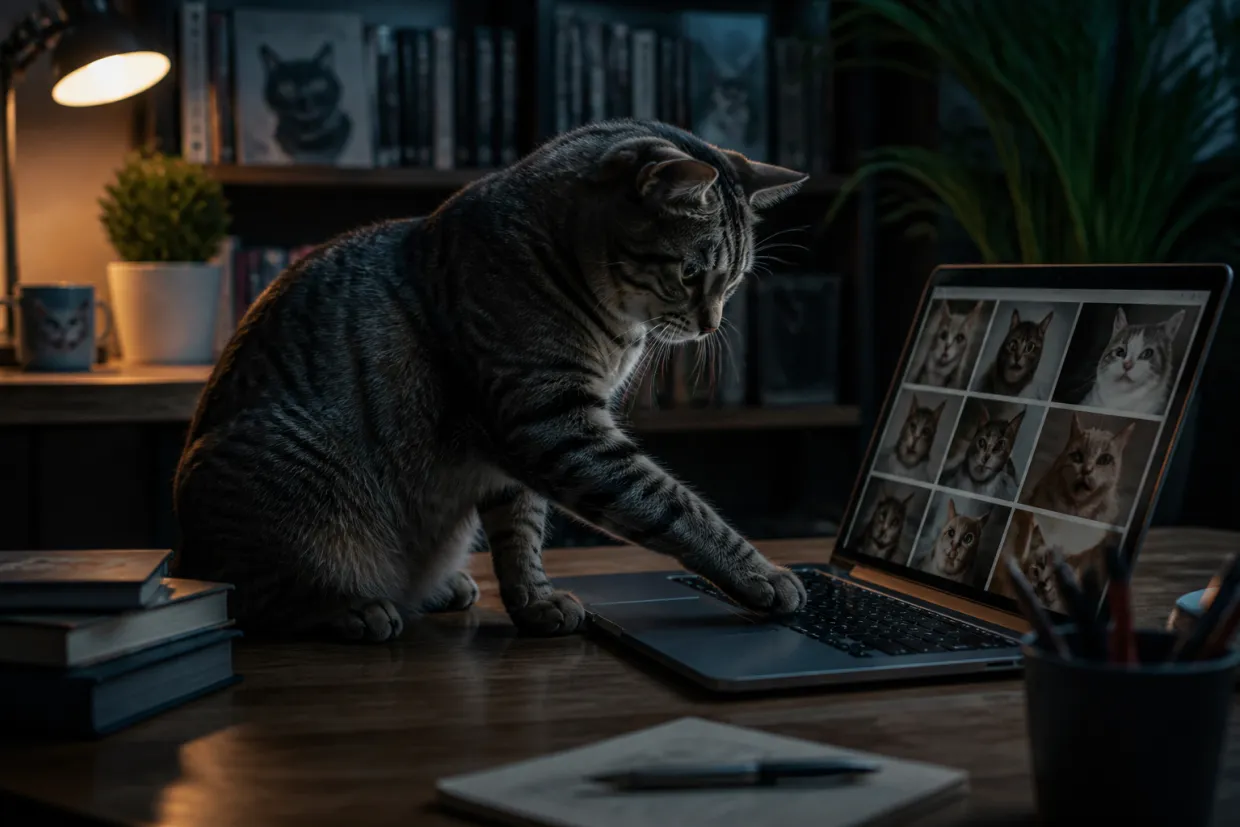
Funny memes with cats primarily manifest as image macros featuring felines accompanied by intentionally incorrect text known as lolspeak[1]. Internet users in Portland frequently share these humorous digital artifacts, which scale into billions of online pictures globally[2]. Cat content heavily drives daily web traffic, making feline imagery a central component of modern internet culture[2].
The Anatomy of Feline Humor: A Glossary Approach
Understanding the humour surrounding cats on the internet involves familiarising oneself with specific terms that capture the essence of feline-related content. These terms not only define a subculture but also highlight the linguistic mechanics that make them resonate globally.
LOLcat
A "LOLcat" refers to an image macro featuring one or more cats, accompanied by text written in "lolspeak," which is intentionally grammatically incorrect. This format plays on the anthropomorphism of cats, attributing human-like thoughts and behaviours to them, which enhances their comedic appeal[1]. The combination of visual and textual elements creates a relatable yet absurd scenario that often evokes laughter.
Caturday
"Caturday" is a social media phenomenon where users share cat-related content every Saturday. This term has become a staple in internet culture, encouraging social media engagement among cat enthusiasts. The practice of dedicating a day to cat content reinforces community bonds and highlights the joy that cats bring to people's lives.
Chonk
"Chonk" describes a cat that is notably overweight, often portrayed in memes that celebrate their size. This term resonates due to its affectionate connotation, turning the idea of overweight cats into a source of humour rather than ridicule. The appeal lies in the relatable nature of chonky cats, who often exhibit endearing behaviours that charm viewers.
Blep
"Blep" refers to the phenomenon of a cat sticking its tongue out slightly, creating a humorous and often adorable image. This quirky behaviour has become a popular subject of memes, as it encapsulates the playful and silly aspects of feline behaviour. The term's popularity reflects how users appreciate the endearing quirks that cats display.
These terms illustrate how the internet has crafted a unique linguistic landscape surrounding cats, allowing for shared experiences and humour that transcend geographical boundaries. By engaging with these concepts, users can better appreciate the cultural significance of cats in the digital realm. Notably, the meme culture surrounding cats has been a driving force in shaping online interactions, with an estimated 1.3 billion cat pictures circulating by 2010, a figure projected to exceed 6.5 billion in the following years[2].
Classic Cat Meme Archetypes and Their Terminology
Several established meme formats have emerged, each contributing uniquely to the landscape of feline humour online. These archetypes reflect the cultural significance of cats and their anthropomorphised portrayals across digital media.
LOLcats
The quintessential "LOLcat" consists of an image macro featuring one or more cats, paired with text in "lolspeak," which is known for its intentional grammatical errors. This format not only showcases feline expressions but also attributes human-like thoughts and emotions to cats, making them relatable and humorous[1]. The absurdity of the scenarios depicted often amplifies the laughter, engaging users in a shared comedic experience.
Grumpy Cat
Another notable archetype is Grumpy Cat, whose perpetually displeased expression became a symbol of disdain in meme culture. The meme format typically involves captions that play on pessimistic or sarcastic sentiments, highlighting the contrast between the cat's expression and the text. This character's widespread appeal illustrates how specific feline behaviours can resonate with human emotions, creating a humorous connection.
Overly Attached Kitten
The "Overly Attached Kitten" meme features a cat with an intense gaze, often accompanied by captions that express clinginess or possessiveness. This format leverages the anthropomorphic tendency to project human relationship dynamics onto cats, providing a humorous take on common social scenarios. The effectiveness of this meme lies in its ability to evoke laughter through relatable situations that many users have encountered.
Cat Puns
Cat-related wordplay, or cat puns, is another significant aspect of feline humour online. These puns replace standard terms with feline-related words, such as "purr" or "paw," while retaining the original meaning of phrases. This clever use of language not only entertains but also fosters a sense of community among cat lovers who appreciate the linguistic creativity involved[3].
The psychology of anthropomorphism plays a crucial role in the success of these meme formats. By attributing human characteristics and emotions to cats, users forge a deeper connection with the content, allowing for a more engaging and enjoyable experience. This phenomenon is part of a broader trend in viral media, where relatable and humorous portrayals of animals drive social media engagement and shape internet culture. As of 2015, cats were responsible for approximately 15% of total internet traffic, underscoring their dominance in online spaces[2].
To create a shareable cat meme, understanding the technical and visual components is essential. A primary format is the "image macro," which combines a cat image with humorous text. This format often employs "impact font," a bold, sans-serif typeface that enhances readability and adds to the meme's comedic impact. The combination of striking visuals and succinct text is critical in capturing attention quickly across social media platforms.
User-generated captioning plays a significant role in cat memes. This involves users adding their own humorous interpretations to existing images, fostering community engagement and creativity. For instance, a picture of a cat in a peculiar pose can be captioned with a relatable human thought, making the content more relatable and shareable. This practice enhances the meme's appeal, as it invites audiences to interact and contribute their versions, creating a cycle of creativity and sharing.
Anthropomorphism is another key element that drives the popularity of cat memes. By attributing human emotions and thoughts to cats, these images resonate with viewers on a personal level. The absurdity of depicting cats in human-like scenarios—such as a cat looking annoyed at a computer screen—amplifies the humour, making it more likely to be shared. This approach is particularly effective in conveying relatable experiences, as many users can see their own feelings reflected in the expressions of these animals.
In analysing the components of viral feline posts, it becomes evident that simplicity and relatability are paramount. The combination of an eye-catching image, clever text in impact font, and anthropomorphic elements creates a potent formula for shareability. As cat images continue to proliferate—estimated at over 6.5 billion by recent projections[2]—understanding these mechanics can aid in crafting engaging content that resonates within the vibrant landscape of internet culture.
Cats vs. Physics: The Lexicon of Clumsy Felines
A unique sub-genre of cat memes focuses on the awkwardness of feline behaviour, often exploring themes related to physics and gravity. These memes highlight the humorous side of cats attempting jumps or navigating spaces that are clearly beyond their capabilities. Understanding the terminology used in this niche can deepen appreciation for the comedic elements at play.
Liquid Cat
The term "liquid cat" describes the phenomenon where cats seem to conform to the shape of their surroundings, as if they possess the properties of a liquid. This is often depicted in memes showing cats squeezed into impossibly small spaces, such as boxes or containers. The absurdity of a cat fitting into a space that appears too small for its body creates a humorous visual that resonates with viewers, illustrating the flexibility and unpredictability of feline behaviour.
Gravity Defiance
"Gravity defiance" refers to the antics of cats that seem to disregard the laws of physics during their leaps or falls. Memes showcasing cats in mid-air, often with exaggerated expressions of surprise or determination, play on the idea that these animals are capable of defying gravity. The comedic value lies in the contrast between the cat's confident leap and the inevitable, often clumsy, landing. This trope highlights the unpredictability of feline movements, making it relatable for anyone who has witnessed a cat's less-than-graceful attempts at agility.
Tactical Retreat
The phrase "tactical retreat" is used to describe moments when a cat chooses to back away from a situation, often in a comically dramatic fashion. This can include scenarios where a cat misjudges its jump and lands awkwardly, prompting it to quickly backtrack. The humour stems from the cat's exaggerated response, often portrayed with captions that anthropomorphise the cat’s feelings of embarrassment or surprise. This term encapsulates the idea that cats are strategic creatures, even when their plans go awry.
Incorporating these terms into discussions about cat memes allows for a richer understanding of the humour derived from feline clumsiness. The interplay of physical comedy and anthropomorphism serves to create relatable and amusing content, reinforcing the cultural significance of cats in internet humour. As cats continue to dominate online spaces, with billions of images circulating, the lexicon surrounding their quirky behaviours remains an integral part of meme culture[2].
The Etymology of Cat Puns and Catchphrases
Cat puns and catchphrases form a distinctive element of feline linguistics in meme culture, often employing phonetic wordplay to enhance social engagement. Terms such as "purrfect," "hiss-terical," and "pawsome" are examples of how feline-related words are integrated into familiar phrases. This clever manipulation of language allows for humour that resonates with a broad audience, as it maintains the original meaning while introducing a playful twist[3].
The origin of the word "cat" can be traced back to before 900 A.D., deriving from Old English terms like "catt" and "catte"[4]. Over time, language surrounding cats has evolved, with expressions such as "the cat's meow" and "the cat's pajamas" emerging during the Roaring Twenties as nonsensical slang to convey admiration[5]. These phrases exemplify how cats have been culturally significant in expressing human sentiments, thus paving the way for modern puns.
The popularity of cat puns in meme culture can be attributed to their ability to evoke laughter through relatable scenarios. For instance, a meme captioned "pawsitively adorable" not only captures the essence of the image but also engages viewers through its playful language. This form of wordplay fosters a sense of community among cat lovers, who share and create content that reflects their affection for felines.
Phonetic wordplay plays a critical role in driving social media engagement. Memes that incorporate cat puns are often more likely to be shared, as they invite users to participate in the humour. The light-hearted nature of these puns encourages users to contribute their variations, further enhancing the interactive aspect of meme culture. As a result, the linguistic creativity surrounding cats continues to flourish in the digital realm, making it a vital component of internet culture[6].
Glossary of Cat Meme Terminology
| Term | Definition | Example | Cultural Significance |
|---|---|---|---|
| Meme | Cultural elements transmitted through imitation | LOLcats | Reflects shared humour online |
| LOLcat | Image macro with cats and lolspeak | Grumpy Cat | Popularised anthropomorphism |
| Cat Pun | Wordplay using feline terms | Pawsome | Engages community through humour |
| Liquid Cat | Cats conforming to shapes | Cat in a box | Highlights feline flexibility |
| Gravity Defiance | Cats defying physics in jumps | Cat mid-air | Showcases feline unpredictability |
| Tactical Retreat | Dramatic backing away by cats | Cat misjudging jump | Illustrates cat behaviour humorously |
| The Cat's Meow | Nonsensical slang for high praise | Used in the 1920s | Shows cultural significance of cats |
| Image Macro | Visual format combining image and text | Cat with caption | Essential for meme creation |
Your questions, answered
- What are some funny sayings about cats?
Vintage expressions like the cat's meow and the cat's pajamas emerged during the Roaring Twenties as nonsensical slang to show high praise[5]. These playful phrases laid the linguistic groundwork for modern feline appreciation across popular culture. Users often deploy these historical idioms alongside humorous images to celebrate everyday moments with their pets.
- What are some funny meme names for cats?
Internet subcultures frequently generate ironic monikers based on viral archetypes like the overly attached kitten or grumpy cat. These naming conventions rely on attributing intense human emotions or possessive dynamics directly to the animal. Such titles help categorise specific behavioural traits within image macros that circulate across social networks.
- What are some funny memes about cats?
Popular formats include tactical retreat scenarios where a cat misjudges a jump and dramatically backs away from the scene. Another prominent genre features the liquid cat concept, showing felines squeezing into impossibly small boxes and containers[2]. These visual setups highlight the inherent clumsiness and physical unpredictability of pets in domestic environments.
Conclusions
Identify the core visual components of viral feline content, specifically the combination of striking image macros and bold impact font to capture attention quickly.
Recognise how anthropomorphism and clumsy physical tropes like liquid cat and gravity defiance drive high levels of online engagement and shareability.
Utilise phonetic wordplay and historical cat puns to foster community interaction and encourage user-generated content contributions across social platforms.
Monitor emerging digital formats and ongoing trends to understand how feline media continues to shape broader internet culture.
To explore the foundational concepts behind viral humour further, read What Are Funny Memes? Understanding Their Appeal.
References
Resources worth knowing
We keep a short list of services we check regularly.