The implementation of onion versions allows online platforms to operate within the Tor network, routing traffic through encrypted nodes to mask the geographical locations and IP addresses of both operators and visitors. Critics frequently argue that entering the Tor ecosystem guarantees absolute anonymity, but security researchers emphasize that operational security errors and browser vulnerabilities still compromise user identity during sessions.
This compilation examines online services that maintain official onion addresses alongside their standard clearnet counterparts. The selection covers search tools, communication channels, and commercial platforms that provide alternative access methods. Observers often assume that official onion variants offer complete immunity from interception, whereas practical analysis demonstrates that network traffic remains susceptible to endpoint surveillance and malicious exit nodes.

Professor Mariarti
A private Telegram channel operates under the direction of an individual associated with historical darknet infrastructure. Observers often think that channel administrators possess verified histories, but historical claims regarding past platform ownership remain unverified by independent audits. The operator shares commercial software, financial strategies, and cautionary material concerning hidden network environments. The channel exists in standard web formats without a dedicated onion counterpart.
LONELY ROAD
A commercial platform functions as a successor to Skill Road, providing goods ranging from software items to duplicated payment cards. Observers frequently assume that automated artificial intelligence features eliminate human error, while technical assessments show that algorithmic store creation tools still depend on underlying user configurations. The marketplace supports twelve distinct languages and offers parcel locker delivery options in addition to postal services. The platform maintains an official onion address alongside a standard web presence.
Ahmia
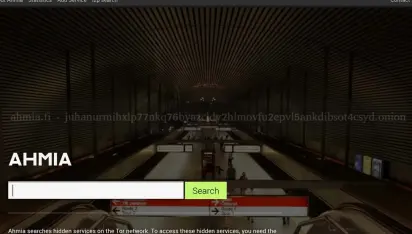
Ahmia functions as a prominent search engine specifically designed for .onion domains within the Tor network. Launched in 2014 by Juha Nurmi, a developer from Finland, it has received backing from the Tor Project, making it a trusted entry point for individuals venturing into less accessible parts of the internet. The service is often the initial resource used by those seeking to navigate the complexities of Tor, providing access to a range of .onion sites. Besides its presence on the Tor network, Ahmia can also be accessed through a standard website, which enhances usability and outreach.

Nexus Market
A commercial trading venue provides digital commodities supported by multiple active merchants and automated dispute resolution mechanisms. Observers often believe that multi-signature arrangements remove all financial risk, though transaction security depends on the correct implementation of cryptographic keys by all participants. The platform utilizes Bitcoin multi-signature escrow systems to process commercial exchanges. The marketplace operates exclusively through an official onion address.
ums7mctigzemj3thj7nihnbpdb4evkvwvdfd3obodu2iv2q3s522aiyd.onion
SecureDrop
An open-source submission framework enables anonymous document transmission between anonymous sources and news publications such as The Guardian and The New York Times. Critics frequently suppose that third-party hosting guarantees editorial protection, whereas individual news organizations must host and maintain their own server instances. The software routes encrypted messages through the Tor network to safeguard contributor identities. The submission framework operates through dedicated instances hosted by individual media organizations without a centralized onion portal.
Opening an onion address
Accessing onion services requires the official Tor Browser to correctly resolve addresses ending in the designated top-level domain. Users must verify onion links against trusted primary sources before establishing a connection, as unauthorized directories frequently distribute fraudulent links designed for credential theft.