The best funny memes of 2026 combine dominant viral formats, cultural slang, and absurd visual templates. You can identify the top trends by evaluating three recurring categories:
Immersive POV formats and video reactions like the saxophones getting louder trend [5, 9].
Cultural slang references including aura farming and mewing [7, 8].
Absurd macro edits such as the squirrel waving bye in tornado scenes[1].
Anatomy of a 2026 Meme: Glossary of Essential Terms
Understanding the language of meme culture is crucial for navigating the humorous landscape of 2026. Key terms provide insight into how memes function and resonate within digital communities.
A "macro" is a popular format featuring bold text overlaid on images, often used to convey relatable humor or punchlines. This format remains prevalent due to its simplicity and effectiveness in communicating ideas quickly. The "deep-fried" meme, characterised by excessive filters and distortions, exaggerates visuals to evoke humour through absurdity. These memes often appear deliberately low-quality, enhancing their comedic value by contrasting with polished content.
"Recursive irony" refers to memes that acknowledge their own absurdity while simultaneously engaging with it. This self-referential humour is a hallmark of post-irony, where the intent behind the meme plays on layers of meaning and cultural references. In contrast, "situational absurdisms" thrive on unexpected juxtapositions, creating humour from bizarre scenarios that diverge from reality.
"Reaction memes" serve as a digital expression of emotions, acting as visual shorthand for feelings in response to various situations. These can be images, GIFs, or short clips that encapsulate immediate reactions to events or comments[2]. The "POV" (Point of View) format immerses viewers in a narrative, often starting with "POV: You are..." to create relatable scenarios that resonate with audiences[2].
Other emerging terms include "aura farming," which describes the curation of an online persona for social capital[3], and "mewing," a cultural shorthand for avoiding awkward situations[3]. These terms reflect the evolving nature of internet slang and its integration into meme formats.
As the meme industry continues to grow, projected to reach $6.1 billion in 2026[4], understanding these terms enhances engagement with viral content. Familiarity with this vocabulary allows for deeper appreciation of the humour and creativity in contemporary memes. For further exploration of meme creation, see How to Create Hilarious Memes: A Step-by-Step Guide.
The meme landscape of 2026 showcases several standout formats that have captivated audiences and dominated social media feeds. These formats not only entertain but also engage users through their unique visual structures and punchline mechanics.
One notable format is the "saxophones getting louder" meme, which utilises a dramatic audio cue from Stanley Clarke's score in Boyz n the Hood. This format serves as a reaction meme, signalling impending danger or urgency through escalating sound, effectively creating tension and humour simultaneously[5]. Its popularity lies in its relatable depiction of anxiety or anticipation, resonating with viewers who appreciate the absurdity of the scenario.
Another trending format is the "Squirrel Waving Bye" meme. This viral sensation overlays a squirrel onto a dramatic scene from Man of Steel, turning a serious moment into an absurd narrative. The juxtaposition of the cute animal against a backdrop of chaos exemplifies how absurd humour can thrive in meme culture, effectively drawing users into a shared experience of unexpected hilarity[1].
The "Kinda Chic" meme trend further highlights the evolution of meme formats, moving away from cynicism to embrace positivity. This format employs classic macro styles, combining soft aesthetics with uplifting messages instead of traditional punchlines. It represents a shift in meme culture towards more wholesome content, appealing to audiences seeking light-hearted humour amidst the chaos of online interactions[6].
The "POV" (Point of View) format also remains a dominant player in the meme scene. By immersing viewers in relatable scenarios that begin with "POV: You are...", this format allows users to engage with content on a personal level. It effectively bridges the gap between creator and audience, fostering a sense of connection through shared experiences[2].
Understanding these viral formats is essential for anyone looking to navigate the current meme landscape. The unique characteristics of each format contribute to their widespread appeal, making them integral to the humour and engagement found within meme culture. For further insights into current trends, see Current Meme Trends: What’s Hot in 2026?.
Life and Reality: The Best Sarcastic Memes About Daily Struggles
Relatable humour about adult life and everyday inconveniences has become a cornerstone of meme culture in 2026. These memes often highlight the absurdities of work culture, social expectations, and the mundane aspects of daily routines. The effectiveness of such memes is evident; research indicates that memes reach ten times more people than traditional marketing visuals, achieving a 60% higher organic engagement rate[7].
One popular theme is the struggle with work-life balance. Memes depicting the relentless cycle of meetings, deadlines, and the infamous "Monday blues" resonate widely. For instance, a common format features an image of a frazzled worker, captioned with phrases like "When you realise it's only Tuesday," perfectly encapsulating the feeling of being overwhelmed by the workweek. Such content not only elicits laughter but also serves as a cathartic release for many adults navigating similar challenges.
Another notable trend involves the humorous take on social interactions. Memes that mock the awkwardness of small talk or the pressure to maintain a polished online persona strike a chord with users. A meme showing a character awkwardly avoiding eye contact during a conversation might be paired with the text "Me trying to engage in adult conversations," which reflects the discomfort many feel in social settings. According to a survey, 74% of individuals share memes primarily to make others laugh, demonstrating the communal aspect of humour[8].
The "POV" format has also gained traction, allowing users to immerse themselves in relatable scenarios. For example, a meme starting with "POV: You are trying to adult but your inner child keeps throwing tantrums" effectively captures the struggle of reconciling adult responsibilities with youthful desires. This format not only engages viewers but encourages them to reflect on their own experiences[2].
In summary, sarcastic memes about daily struggles provide a platform for shared experiences and humour. They reveal the complexities of adult life and serve as a reminder that many face similar challenges. As the meme industry continues to expand, understanding these themes and formats remains essential for anyone engaging with contemporary internet culture.
Cinematic and Pop Culture Memes Everyone is Talking About
In 2026, cinematic and pop culture memes have taken centre stage, drawing widespread attention and engagement across social media platforms. These memes often emerge from significant entertainment events, award shows, and viral film moments, reflecting the collective consciousness of online communities.
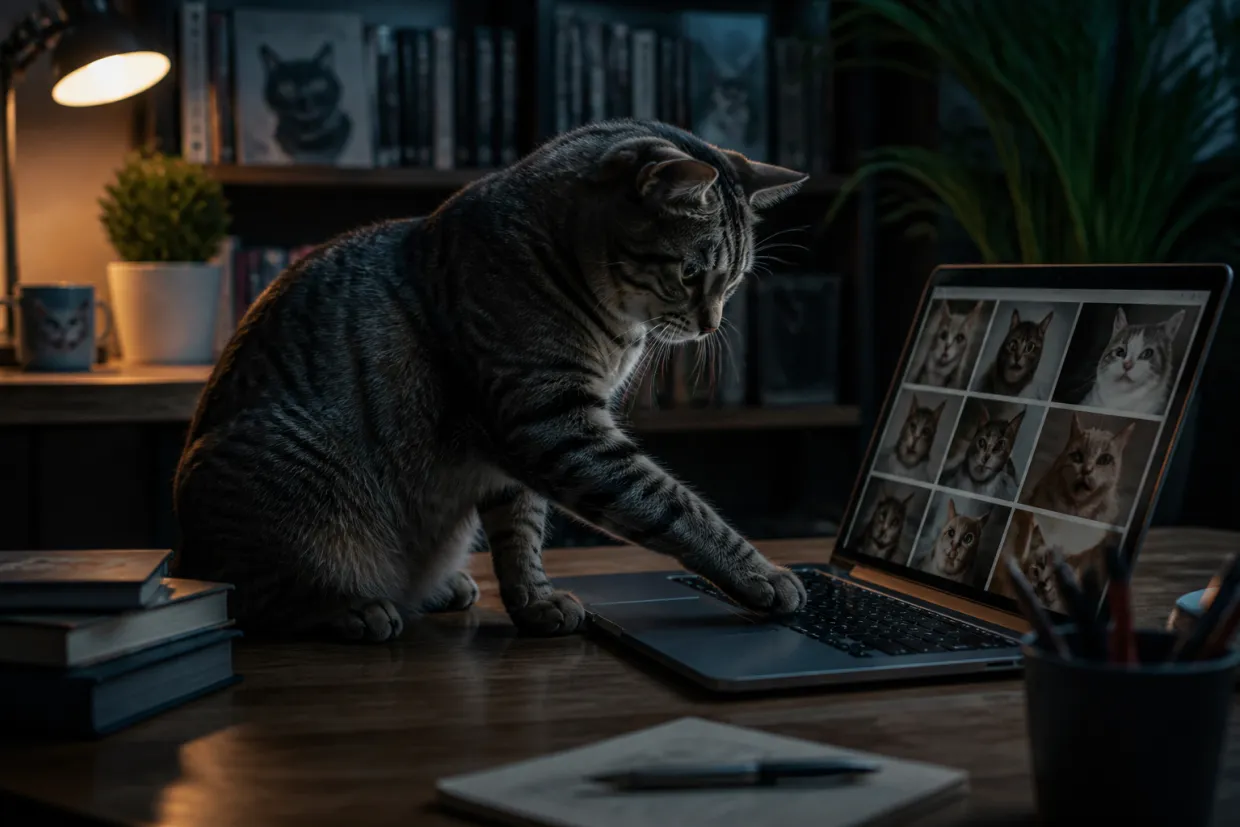
One of the most talked-about memes this year is the "Bieberchella" phenomenon, stemming from Justin Bieber's unexpected performance style at Coachella. Memes depicting Bieber sitting in front of a laptop, pulling up his classic tracks on YouTube, became a viral sensation. This moment resonated with audiences, blending nostalgia with the absurdity of the situation, and it highlights how pop culture moments can transform into relatable humour[5].
Another notable trend is the "saxophones getting louder" meme, which utilises a dramatic audio cue from Stanley Clarke's score in Boyz n the Hood. This format serves as a reaction meme, indicating a build-up of tension and impending danger. The use of escalating sound coupled with absurd scenarios has made it a favourite among meme creators, perfectly encapsulating the humour found in situations that evoke anxiety[5].
The "Squirrel Waving Bye" meme also gained traction, featuring a squirrel superimposed into a dramatic tornado scene from Man of Steel. This absurd juxtaposition creates an alternative narrative that is both humorous and surreal, demonstrating the power of visual absurdity in meme culture[1]. Such formats engage audiences by merging serious cinematic moments with playful elements, inviting users to share in the laughter.
Additionally, the "Kinda Chic" meme trend has emerged, shifting away from traditional cynicism to embrace positivity. This format employs classic macro styles, presenting uplifting messages through soft aesthetics instead of harsh punchlines. This trend reflects a growing desire for wholesome content amidst the often chaotic online landscape[6].
The prevalence of these cinematic memes underscores the evolving nature of internet lore, where pop culture references serve as a rich source of material for humour. As the meme industry expands, projected to reach $6.1 billion in 2026[4], the connection between entertainment and meme culture continues to deepen, influencing how audiences engage with both media and humour.
Meme Taxonomy Index: Decoding Irony Levels
Understanding the layers of irony in memes can enhance appreciation for their humour and cultural significance. Memes can be categorised into three primary types based on their irony levels: post-irony, anti-humour, and surrealism. Each category offers a distinct approach to humour that resonates differently with audiences.
Post-irony represents a complex interplay of sincerity and absurdity. It often involves a self-aware recognition of the absurdity within the meme itself. For example, a meme that acknowledges its own ridiculousness while simultaneously engaging with it reflects this style. This approach appeals to audiences familiar with internet culture, as it requires a deeper understanding of the context and references involved.
Anti-humour subverts traditional punchlines by presenting scenarios that intentionally lack a conventional comedic payoff. Memes in this category often rely on the sheer absurdity of the situation to elicit laughter. An example could be a meme depicting an everyday event, such as a person standing in a queue, with a caption that simply states, "This is a queue." The humour lies not in the punchline but in the mundane reality of the moment, challenging expectations of what a meme should deliver.
Surrealism in memes embraces bizarre and illogical combinations that defy conventional reasoning. These memes often create humour through unexpected juxtapositions, such as a cat wearing a top hat while riding a unicycle. This style draws viewers into a world where the absurd is celebrated, encouraging creativity and imagination. A notable example is the "Squirrel Waving Bye" meme, which places a squirrel into a dramatic scene, turning an intense moment into a humorous narrative[1].
Familiarity with these categories aids in navigating the vast landscape of meme culture. As the global meme industry continues to grow, understanding the nuances of irony will enhance engagement with viral content. This knowledge allows for a richer experience when encountering memes across various platforms. For those interested in further exploring meme creation, see How to Create Hilarious Memes: A Step-by-Step Guide.
The Best Funny Memes of 2026: A Curated List
| Meme Format | Description | Humour Mechanic | Popularity | Engagement Rate |
|---|---|---|---|---|
| Saxophones Getting Louder | Reaction meme indicating danger | Escalating sound and absurdity | High | 60% higher than traditional visuals [7] |
| Squirrel Waving Bye | Absurd narrative with a squirrel | Juxtaposition of chaos and cuteness | Viral | Depends on context |
| Kinda Chic | Positive macro style | Wholesome humour | Growing | Depends on audience |
| POV | Immersive relatable scenarios | Personal engagement | Dominant | Depends on relatability |
| Bieberchella | Nostalgic absurdity from Coachella | Cultural reference humour | Widespread | Depends on pop culture relevance |
Your questions, answered
- What are the top 10 memes of all time?
Ranking historical memes requires evaluating organic reach and community impact. Research indicates that memes reach ten times more people than traditional marketing visuals, achieving a 60% higher organic engagement rate[7]. Top formats historically include macro templates and evolving reaction images that adapt to shifting internet cultures.
- What meme is the most popular?
Popularity shifts constantly between immersive formats like POV templates and viral pop culture references. A YPulse survey reveals that 74% of people share memes primarily to make others laugh, while 53% use them as direct conversational responses[8]. This high shareability drives specific formats to temporary global dominance across social networks.
- What is the most popular meme right now?
Current viral trends include the escalating audio cues of the saxophones getting louder meme[5] and surreal visual edits like the squirrel waving bye format[1]. Surveys demonstrate that 74% of individuals share memes to generate laughter, propelling these specific scenarios to peak visibility[8].
- Funny memes pictures
Static funny meme pictures frequently rely on classic macro styles or newly emerged formats like the 'Kinda Chic' trend, which combines soft aesthetics with positive messaging[6]. Data compiled by Forbes shows that visual meme campaigns achieve a click-through rate roughly 14% higher than conventional email marketing efforts[9].
- Best funny memes to post
The best memes to post depend on current cultural touchpoints, such as recent music festival phenomena or relatable daily struggle templates. Over 60% of modern buyers express a higher intent to purchase and engage with brands that authentically incorporate these trending formats into their outreach[4].
Conclusions
Memorise the core irony levels and pop culture frameworks to accurately categorise viral formats.
Track metrics like engagement rates and survey data to evaluate organic reach.
Apply current visual trends and audio cues to boost audience interaction.
Check out the Current Meme Trends: What’s Hot in 2026? overview to identify upcoming viral templates.
References
- 7. 'Don't Make Unnecessary Journeys' Not all viral memes begin with a meme creator.
- Meme Generator Glossary: Formats, Terms, and Meme Culture Explained
- 7 Gen Z Slang Terms You Need to Know in 2026: From Skibidi to Delulu Taking Over the Internet
- 35 Meme Marketing Statistics for Home Services
- The Best Songs Of 2026 (So Far)
- onlinemememakers.com
- Key Meme Statistics
- 21 Meme Statistics That Will Blow Your Mind and Your Readers
- Meme marketing has evolved from internet joke to serious business strategy
Resources worth knowing
We keep a short list of services we check regularly.